Nicotine withdrawal symptoms can occur within hours of your last cigarette. According to the NHS, the worst symptoms usually occur in the first week, with the highest point in the first 3 days. Symptoms last on average 3 to 4 weeks and include feelings of craving, restlessness, irritability, anxiety or low mood, difficulty concentrating, and sleep disturbance.
Common nicotine withdrawal symptoms
Your body has got used to nicotine being supplied to it on a regular basis. It can take a while for your body to get used to you no longer having nicotine supplied to you. The common symptoms of nicotine withdrawal are listed by the NHS:
- strong urges or cravings to smoke
- trouble concentrating
- feeling restless
- trouble sleeping
- being easily upset, irritable, frustrated or angry
- feeling anxious, tense or low in mood
Cancer Research UK reports feeling hungry, feeling ill and headaches. Additionally, if you have a cough caused by smoking this may worsen initially. The official product information for Nicorette patches notes that mouth ulcers can become more frequent after stopping smoking. It also lists dizziness and waking in the night among the symptoms that may be linked to stopping smoking.
The NHS describes these symptoms as a sign that your body is recovering, and they don't last.
Why withdrawal happens
Nicotine is quickly removed from the blood stream. A review of the nicotine literature carried out by Benowitz and colleagues reported the half-life of nicotine to be approximately 2 hours. As a regular smoker, you top up your nicotine continuously throughout the day. When you stop smoking the top-ups stop and the NHS says you may begin to feel the effects of nicotine withdrawal within a few hours.
However, a cigarette is a habit too. A cigarette with the morning coffee or after dinner becomes part of the routine, so those moments can trigger cravings even once the nicotine has left your system. Find out how much nicotine is in a cigarette.
Nicotine withdrawal timeline
Of course, everyone's timeline is different. But the general pattern described by NHS and Cancer Research UK is similar.
| When | What usually happens |
|---|---|
| First few hours | Withdrawal can begin, often as the first cravings |
| Days 1 to 3 | Symptoms are usually at their strongest |
| Rest of week 1 | Usually still the toughest stretch of the quit |
| Weeks 2 to 4 | Symptoms ease. 3 to 4 weeks is the NHS average |
| Day 28 | The NHS says you are 5 times more likely to stay quit for good |
| Beyond a month | Some people still feel symptoms for a few months |
This is the withdrawal side of stopping. For what happens in your body over the same weeks as your body is ridding itself of carbon monoxide, see our quit smoking timeline. It also details the money you've kept.
How long does nicotine withdrawal last?
Typically 3 to 4 weeks from your quit date, according to the NHS. Cancer Research UK puts it at 2 to 4 weeks after a peak in the first few days, and says there's no set time frame. The last thing to leave is often the craving for a cigarette. Cancer Research UK says that even with stop smoking aids, you'll probably still feel the urge to smoke sometimes.
A single craving is over much quicker than you think. Nicotine cravings usually last only 5 or 10 minutes, says Asthma + Lung UK. Waiting out a craving is therefore much easier than most people think.
What helps with each symptom
| Symptom | What the NHS suggests |
|---|---|
| Cravings | Remind yourself they're temporary, avoid your triggers for the first 28 days, keep your mouth busy with carrots, celery or sugar-free gum |
| Restlessness or low mood | A quick burst of activity, and your reasons for quitting written down where you can see them |
| Irritability, anxiety or stress | A slow breathing exercise, in through your nose and out through your mouth |
Many smokers smoke at specific times, first thing in the morning after your coffee, after meals, with alcoholic drinks and when travelling in cars. Changing these behaviours for the first month helps to reduce the habitual smoking urges.
Getting ready for the first week
Much of the initial effort goes into the first few days so it is wise to set up as much as possible in advance.
- Take out all cigarettes, lighters and ashtrays the night before.
- Open your NRT the night before and have it ready when you wake up on day one.
- Let your friends and family know that you do not want them to smoke around you. Also, politely tell smokers that you would prefer that they do not offer you a cigarette.
- Make a list of situations that trigger your cravings and alternatives for each situation.
- Keep sugar-free gum, fruit or raw veg handy to pop in your mouth when it needs something.
One cigarette does not undo everything if you slip. Identify what happened and move on.
How NRT helps with withdrawal
Nicotine replacement therapy (NRT) is licensed to relieve cravings and withdrawal symptoms when you stop smoking or cut down. It delivers nicotine in a more constant and controlled manner than smoking tobacco. There are two main types of NRT.
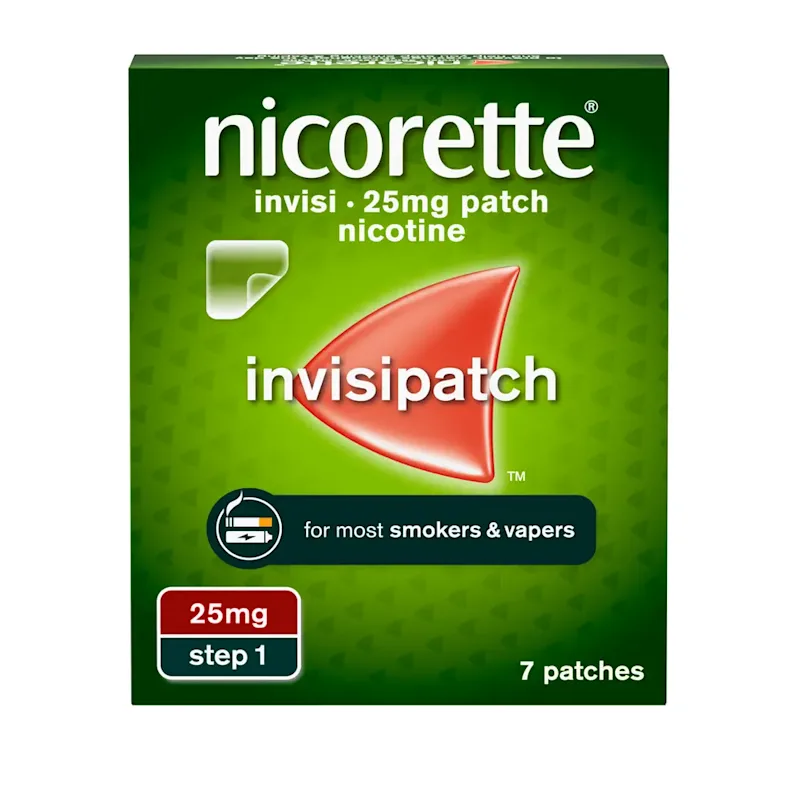
- Slow and steady: nicotine patches release nicotine slowly over the day, which helps to take the edge off the background withdrawal from nicotine.
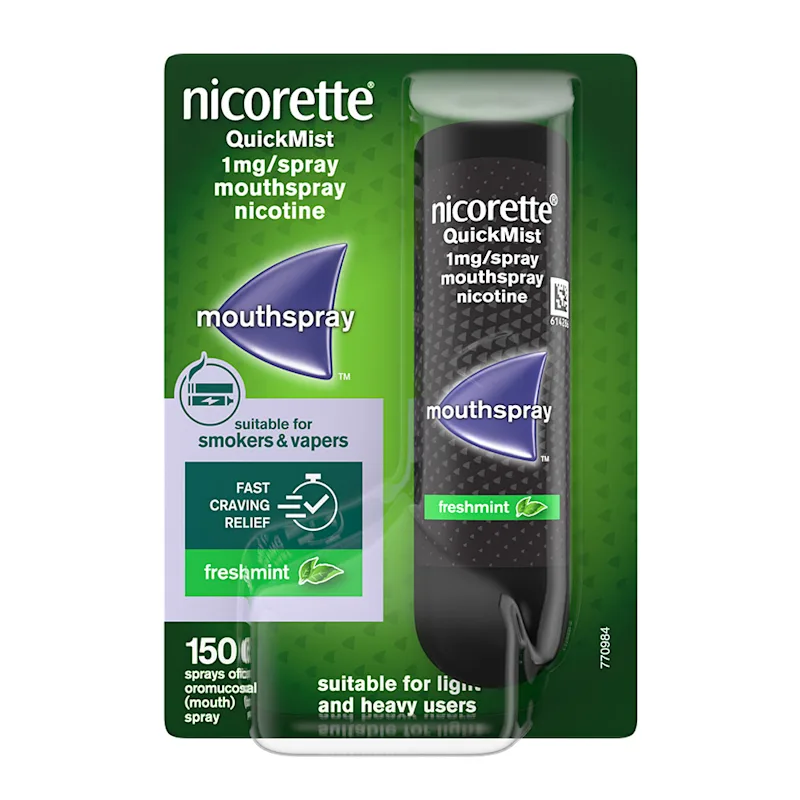
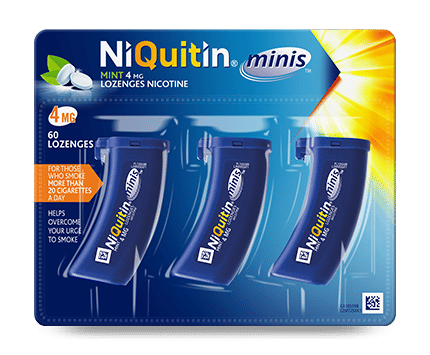
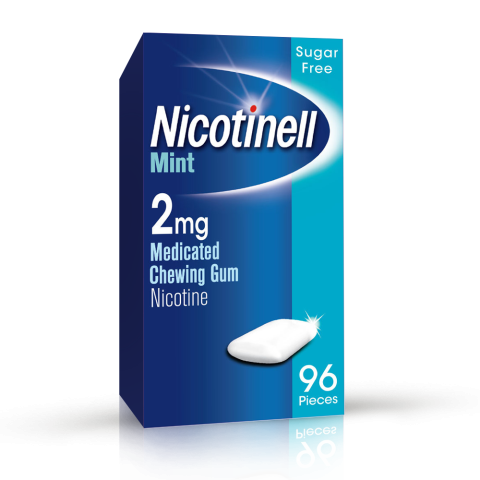
- Fast-acting: products such as a mouth spray, gum, lozenges, an inhalator and microtabs are there to combat sudden cravings.
The NHS says using a fast acting NRT in combination with a slow acting NRT improves your chances. Cancer Research UK highlights that using a patch with a fast acting NRT is particularly effective and advise that smokers using NRT need to use enough of it to gain relief from their symptoms. If you are still suffering with symptoms, it may be worth speaking to a pharmacist who can check the strength of your NRT and advise if you are on the correct strength. Our strength guide outlines the starting strength of each brand of NRT.
When to speak to someone
Withdrawal symptoms can be uncomfortable, but the NHS says they pass. If a symptom is severe, doesn't clear or is worrying, or if your mood stays low, speak to your GP or call NHS 111. If you're feeling anxious or stressed because you're trying to quit, you can find free support via Every Mind Matters on the NHS website.
If you take regular medication, it's also worth telling your GP or pharmacist that you're stopping smoking. Stopping smoking can slow down how the body clears some medicines, and the Nicorette patch product information names theophylline, clozapine and ropinirole as examples where blood levels can rise. Your local Stop Smoking Service can help you plan for these first weeks after quitting.
Withdrawal when you stop vaping
Quitting a vape can also bring similar symptoms as quitting tobacco. The NHS has listed a number of symptoms such as strong cravings, irritability or low mood, poor concentration, increased hunger and disturbed sleep. Our guide on how to stop vaping includes help on cutting down as well as details on the range of NRT products that are licensed for vapers.
Questions people ask
What is the worst day of nicotine withdrawal?
No single day applies to every person, but the NHS says symptoms are at their worst in the first week with the first 3 days being the worst of all. Having your NRT ready before you stop will help on these days.
Can nicotine withdrawal cause headaches?
Yes, Cancer Research UK lists headaches as a possible symptom of nicotine withdrawal. If your headaches are severe or are continuing, speak to your GP or pharmacist.
Can nicotine withdrawal cause anxiety?
Yes. The NHS lists feeling anxious, tense or low in mood among the common symptoms. Slow breathing can help with stress. Find out what else you can do on Every Mind Matters. If you're feeling low for long, speak to your GP.
Will I put on weight when I stop smoking?
Some people do gain weight when they stop smoking. Cancer Research UK says some studies found people gained about 4 to 5kg over the following year, but this wasn't the case for everyone. Feeling hungry is one of the symptoms people can experience during nicotine withdrawal.
How long do nicotine cravings last?
A single craving typically lasts for 5 or 10 minutes, according to Asthma + Lung UK. The majority of cravings will have dissipated within a few weeks, but the occasional urge can come back months later.
Does NRT stop withdrawal symptoms completely?
It eases some of the cravings and withdrawal symptoms but does not remove all of them. If the symptoms are very severe then talk to a pharmacist as to whether your NRT is the correct strength or whether you are taking the right combination.
More from Unlit
- Quit smoking timeline and savings tracker
- How much nicotine is in a cigarette?
- How nicotine replacement therapy works
- Alternatives to smoking
- Help me choose a stop smoking aid